Noticias
Entender el rebranding: cuándo tu marca necesita cambiar (y cuándo no)
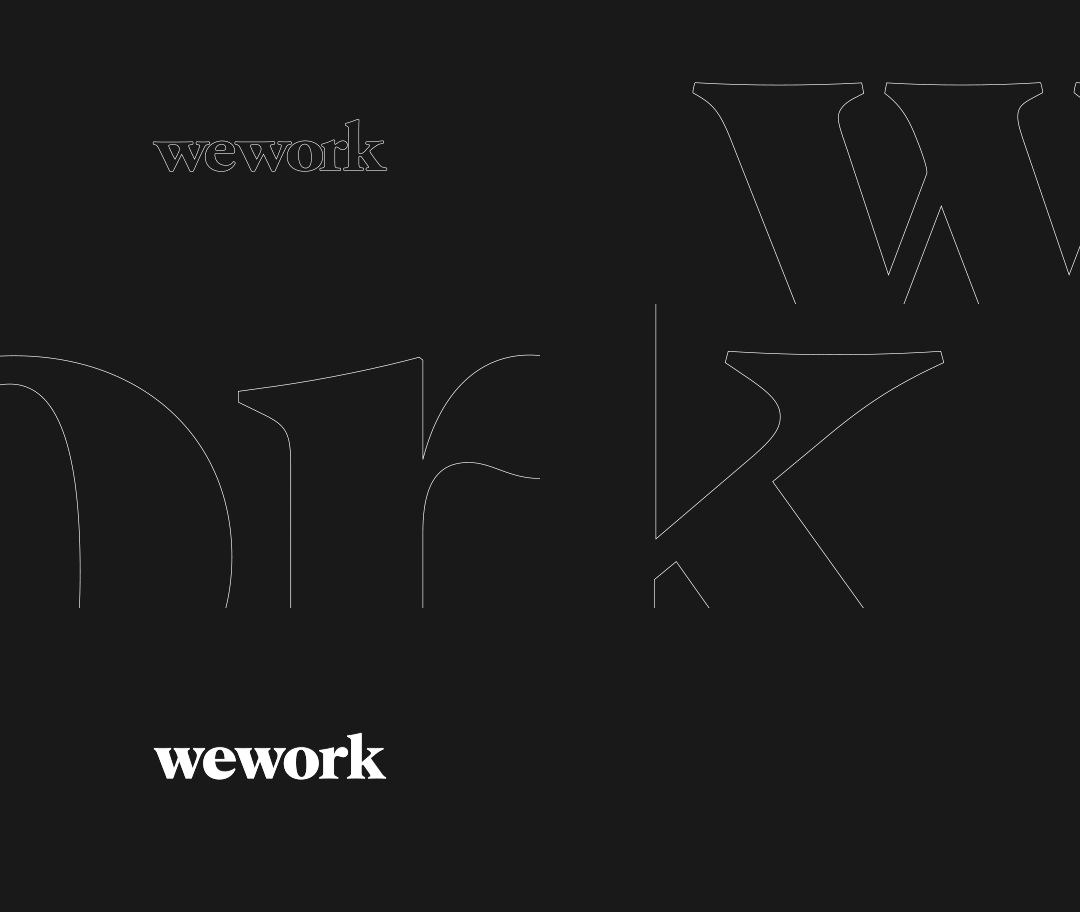
Entender el rebranding
El primer paso para replantear una marca es ir al núcleo del negocio. No se trata de una revisión superficial, sino de entender en profundidad qué hay detrás de la empresa: su propósito, sus objetivos, sus valores y su visión. Cuando una marca no parte de una comprensión real de quién es y qué quiere ser, cualquier cambio se queda en la superficie.
En esta fase analizamos también el contexto: el mercado, la competencia y las expectativas del público. Entender qué están haciendo otras marcas y detectar oportunidades permite definir dónde puede y debe posicionarse la tuya. De este proceso surgen los insights que darán forma a todas las decisiones posteriores y que ayudan a destilar la esencia de la marca en una dirección clara.
Strategy and Positioning
Once we have a solid understanding of the brand’s inner workings and market context, we move on to strategy and positioning. This step is all about defining how the brand will be perceived in the minds of its audience. Brand positioning answers the critical question: Why should customers choose this brand over others?
During this phase, we work closely with our clients to define the brand’s voice, tone, and key messages. These elements are essential because they inform not only the visual identity but also how the brand will communicate across all platforms. We also identify target personas, exploring the specific characteristics, preferences, and pain points of the brand’s ideal audience. By establishing a clear brand positioning statement, we create a foundation that aligns every aspect of the identity with the brand’s purpose and audience expectations.
Creative Development and Design
With a defined strategy in place, we move into the creative development and design phase, where the brand’s visual identity takes shape. This includes the creation of the logo, color palette, typography, and any other design elements that represent the brand visually. But this isn’t just about making things look “nice”—it’s about ensuring that every element is purposeful, cohesive, and aligned with the brand’s essence.
For instance, a modern, minimalistic logo might reflect a forward-thinking tech company, while a classic, serif font might evoke tradition and trustworthiness. Color psychology also plays a role; each color conveys a particular mood or feeling, and we choose colors that align with the brand’s emotional objectives. Throughout this phase, we work collaboratively with our clients, presenting design concepts, gathering feedback, and iterating on ideas until we have a visual identity that perfectly encapsulates the brand.
Implementation and Brand Guidelines
The final step is implementing the brand identity across all relevant touchpoints and creating a comprehensive set of brand guidelines. These guidelines act as a roadmap, ensuring that the brand remains consistent and recognizable no matter where or how it appears. This includes detailed instructions on logo usage, color codes, typography, image style, tone of voice, and more.
Implementation is about bringing the brand identity to life, whether through a website, social media, packaging, or marketing materials. We ensure every element is consistent with the brand’s core identity and that each touchpoint speaks the same language. Consistency is key in building brand recognition, and clear brand guidelines help maintain it even as the brand grows and evolves.
Conclusion
Creating an impactful brand identity is a journey that goes far beyond the design phase. It’s about understanding, strategizing, creating, and implementing a cohesive representation of a brand’s essence that speaks to its audience and stands out in the market. Through our meticulous, step-by-step process, we ensure that each brand we work with is positioned for long-term recognition, loyalty, and growth. Our approach isn’t just about design; it’s about crafting identities that truly resonate.